

Combatting Climate Change in Kenya
Discover how Haller Foundation is helping Kenyan farmers combat climate change through regenerative agriculture, innovation, and community action.
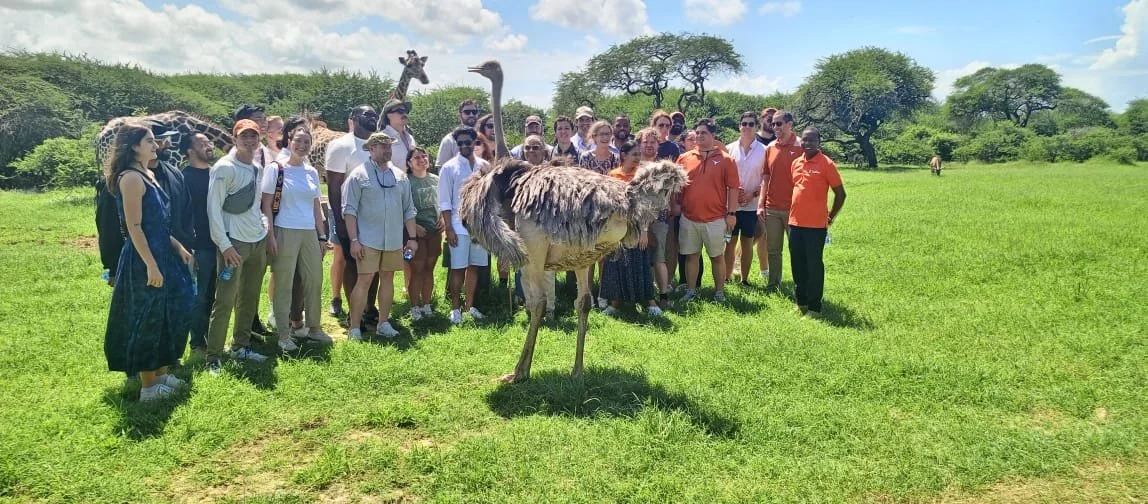
A Conservation Model Worth Sharing: Nguuni Nature Sanctuary
The Nguuni Nature Sanctuary is a pioneering community-based conservation model in Mombasa that marries biodiversity protection with public education, regenerative agriculture, and local livelihoods. A low‑cost, high‑impact approach trains youth and trainers in regenerative methods, boosts green skills, and safeguards vital water catchments.

From Learners to Leaders: How Nguuni Sparks Career Pathways
Our Nguuni Nature Sanctuary is a launchpad for careers in rural Kenya. Through hands-on training in climate-smart agriculture, composting, and water conservation, we’ve empowered over hundreds of smallholder farmers, especially women, to start their gardens or become peer trainers. Read more about how Nguuni is inspiring the next generation of conservationists.

Tackling the Rising Tide of Plastic Pollution: World Environment Day 2025
Explore how Haller is tackling plastic pollution in Kenya this World Environment Day 2025, and why urgent global action is needed to stop the tide of plastic waste harming our planet.

Agriculture for All Women and Girls: Rights. Equality. Empowerment.
This International Women’s Day, Haller highlights the vital role of female farmers in combating poverty and food insecurity. Women perform up to 60% of agricultural labor in parts of Africa, yet their contributions remain overlooked. Discover how Haller empowers women with training, resources, and support to boost yields, improve livelihoods, and break cycles of inequality.

Harnessing Africa’s Youthquake: The Future of Climate, Agriculture, and Innovation
As part of Haller's 20th Birthday Celebration, we hosted a panel discussion addressing Africa’s population boom and its global implications. This thought-provoking session was chaired by journalist David Eades on Friday 20th September 2024, and hosted at Mondrian Investment Capital, London. On the panel sat Ed Paice, author of" Youth Quake: Why African Demography Matters to the Rest of the World", Noni Muchiri of BBC World Service, Jessica Hagen-Zanker from the Overseas Development Institute (ODI) and David Ngome, Haller Foundation trustee and development communications consultant at the International Fertiliser Development Centre (IFDC).

Adapting to Kenya’s Changing Climate
Adapting to climate change—learn how Haller is empowering Kenya’s smallholder farmers, particularly women, with sustainable farming techniques to combat droughts and flooding. Through water conservation, composting, and innovative planting methods, we’re helping communities secure their livelihoods and protect their environment for future generations.

Expanding Impact: Haller Farmers App Now in French
The Haller Foundation and La Maison d’Artemisia have partnered to bring the Haller Farmers App to French-speaking regions, boosting access to sustainable agricultural knowledge and essential resources for malaria prevention with Artemisia annua and afra. Available offline and in low-data settings, download now.
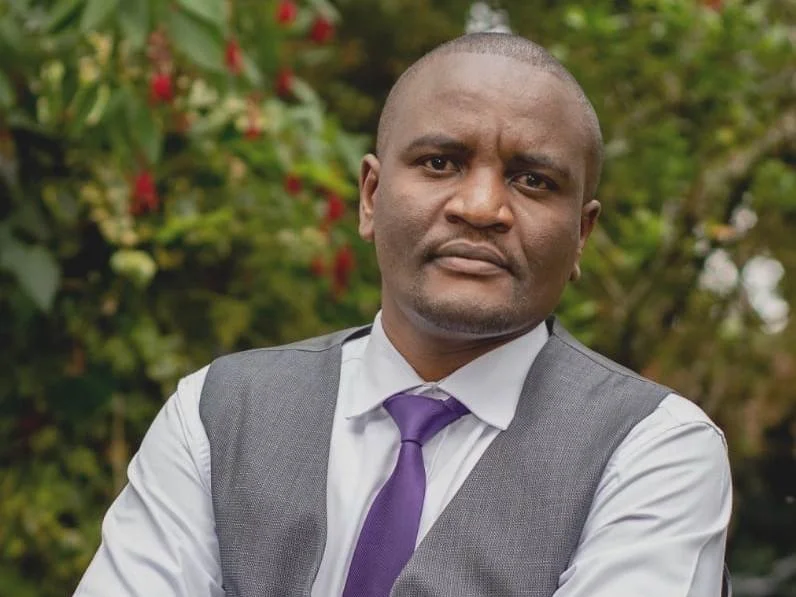
A Tribute to Dr. Joseph Macharia
In honour of Dr Joseph Macharia, Haller Trustee and Visionary in Environmental Stewardship and Climate Resilience.

Haller at 20.
Over 20 years, the challenges facing the smallholder communities Haller was set up to serve have shifted and evolved. But our approach remains rooted in a mission to bring together ecology and economy.

Tell the Bees: Preserving and Encouraging Biodiversity
Bees play a critical role in the global food chain, pollinating around three-quarters of the world’s flowering plants which produce 90% of the world’s food. The FAO has estimated that one out of every three bites of food we eat depends on bee pollination.

The Haller Farmers App in Action: Stories from Kenya
As part of our new app launch, we wanted to take some time to reflect with our team in Kenya on the impact of the app to date, and why continued innovation is so important.


Celebrating International Day of Plant Health 2024
On International Day of Plant Health, we recognise the global challenge of plant health that affects livelihoods worldwide.
At Haller, inspired by Dr. Rene Haller's work, we are committed to supporting and celebrating local smallholder farmers in adopting pesticide-free practices that respect biodiversity and improve crop health. And increasing access to sustainable agricultural practices that ensure safe food and trade, enhancing community livelihoods globally!

Haller at ChangeNOW 2024!
Haller will be attending ChangeNOW, the world's largest summit for planetary solutions. ChangeNOW resonates deeply with Haller’s goals and values, in aligment with crucial United Nations Sustainable Development Goals (SDGs) — Climate, Biodiversity, Resources, and Inclusion. From Haller Jessica and Chloe, together with our partners, will attend the summit in Paris from the 25th - 27th March.

Closing the ‘Crop Gap’: Addressing the Inequalities faced by Female Smallholders
Despite their outsized importance in the global food system, female farmers face a growing number of challenges. Not only do these obstacles negatively impact individual female smallholders, they fundamentally undermine global efforts to address hunger and poverty.

Ensuring Proper Sanitation for Schools and Infrastructure for Climate-Smart Farmer Training
In 2023, Haller joined forces with long-time donor the Eagle Foundation to channel efforts into two key projects: installing sanitation in the community-owned Munnawar primary school, and expanding the capacity of the Mtopanga demonstration farm.

Case Study Osiligi & Haller, a collaborative approach to Farmer Training in Kenya
In December 2023, the Haller team in Kenya conducted farmer training sessions in partnership with the Osiligi Charity Projects. An exciting step in our mission to scale knowledge of regenerative farming in Kenya and beyond.

What it means to be a Tech First Charity
What does it mean to be a tech first charity in 2024? For th Haller Foundation, it means understanding the opportunities that technology can help to unlock, and working to ensure that those potentials are realised.